Lacommande : Old commandery
Pyrénées-AtlantiquesReference
PA00084419
Latitude
43.276915899853
Longitude
-0.50883689842922
Address
5120 Rue de l'Église 64360 Lacommande
Construction era
1ère moitié 12e siècle
Protection date
1962/03/12 : classé MH
Protection cause
L'ancienne commanderie (cad. A 121) : classement par arrêté du 12 mars 1962
Description
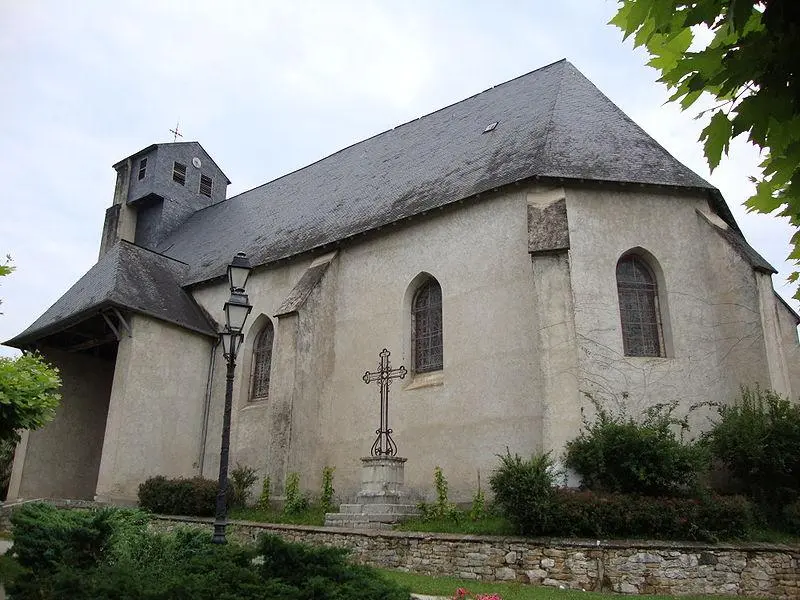
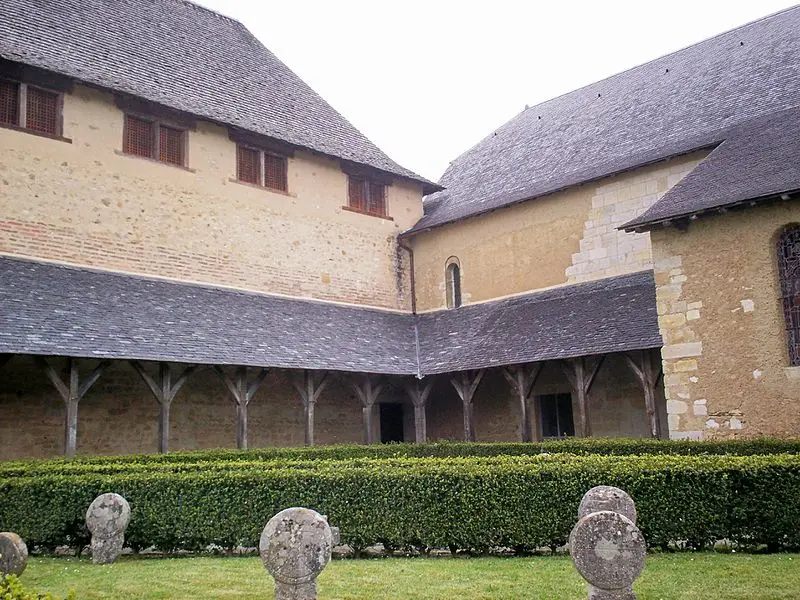
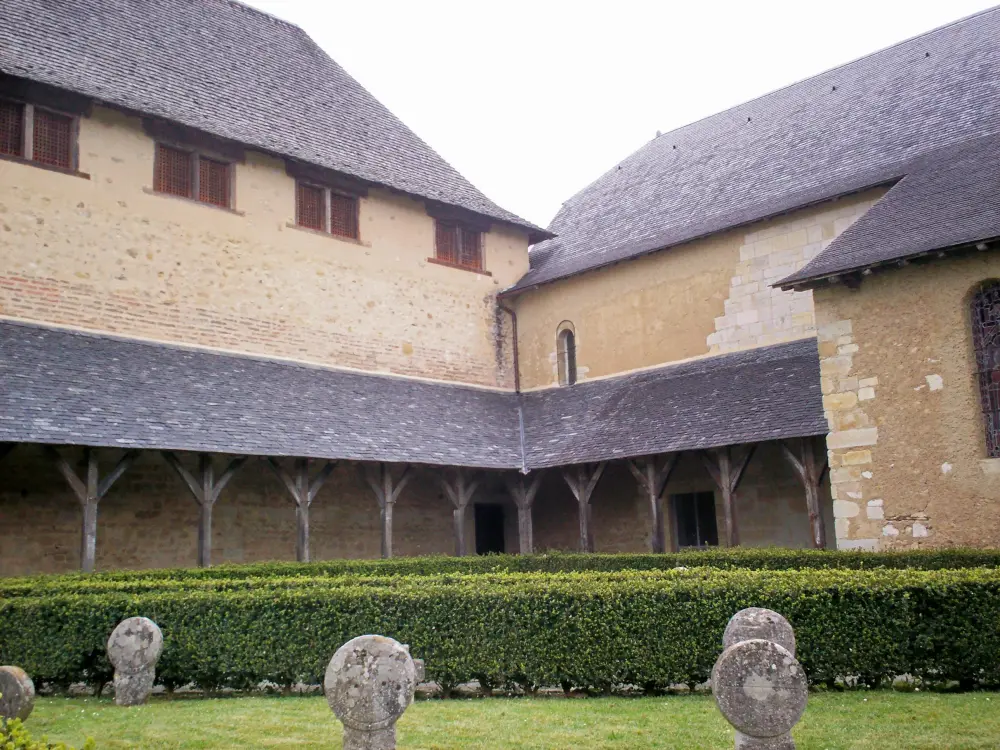
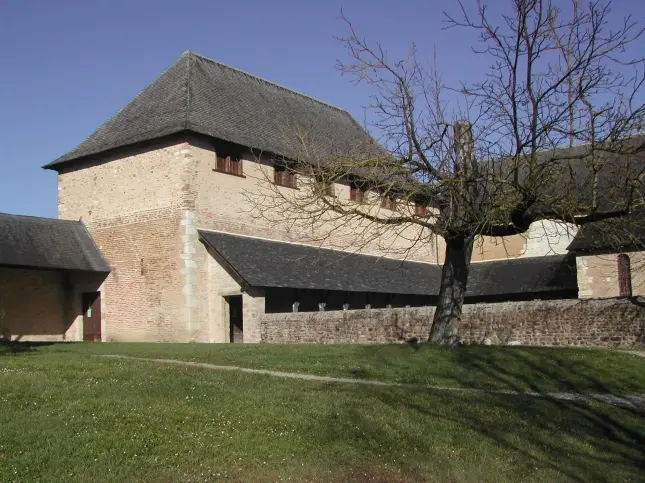
The old commandery was established by Gaston IV de Béarn, known as the Crusader, and was called Espitau Deu Faget d'Aubertii (Hospital of the Hêtraie d'Aubertin). The first document attesting to its existence is the Albertine charter of 1128, commented by Marca. The first reference to a commander, and therefore to a commandery, is found in a 1208 document from the Cartulaire de Sainte-Christine-du-Somport. This hospital-commanderie, which served as a stop for pilgrims going to Compostela on their way to the Col du Somport, was under the management of the regular canons of Saint-Augustin. The establishment experienced disruption during the reform, but he prospered at the arrival of the Barnabites, around 1642, until the Revolution (it was in 1610 that the Pope and the King granted the Barnabites all the goods of Sainte-Christine, French side, although they only arrived at Lacommande in 1642). The cloister was destroyed during the reform, however, during the Revolution, nothing was demolished: the church became the property of the commune, the old cemetery was preserved, and the hospital was sold to an individual (Peyré dit Bergerou) who transformed it into a barn and a cellar.